How to Use a Butler Stick (Professional Table Setting Guide)
A butler stick is one of the most precise and traditional tools used in formal table setting — yet today, it is rarely understood and even harder to source.
In this guide, Sara Vestin Rahmani explains how a butler stick is used in professional service, and why it remains a defining standard in high-level private households.
At Bespoke Bureau and The British Butler Academy, this is a core technique taught within our professional silver service and butler training programmes.
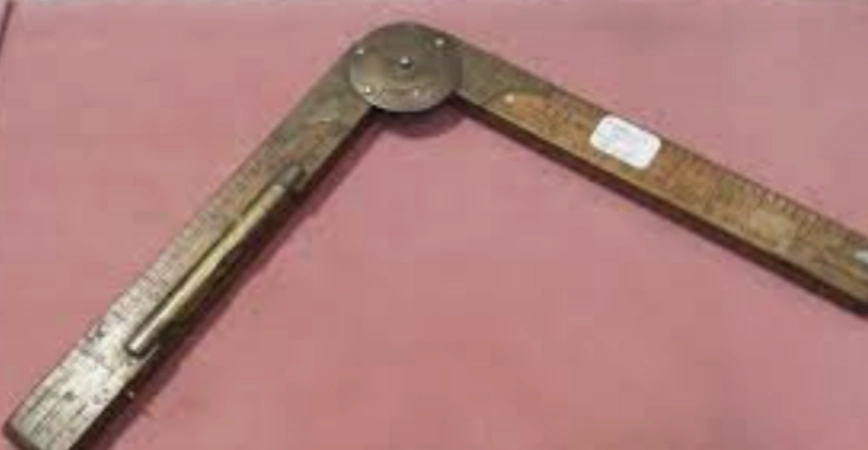
A traditional butler stick used in professional table setting to ensure precise spacing and symmetry.
What Is a Butler Stick?
A butler stick is a simple but highly effective measuring tool used to ensure perfect spacing, alignment and symmetry when setting a formal dining table.
Traditionally used in royal households and large private estates, it allows staff to:
- Maintain consistent spacing between place settings
- Align crockery, cutlery and glassware precisely
- Create visual symmetry across the entire table
Today, very few people are trained to use it correctly — which is exactly why it remains a hallmark of true professional service.
The 24-Inch Rule (60 cm Rule)
One of the most important principles in formal table setting is spacing between guests.
✔ Standard spacing:
- 24 inches (approximately 60 cm)
- Measured from the centre of one plate to the next
This ensures:
- Comfortable guest spacing
- Balanced visual layout
- Consistency across the table
In practice, this may be slightly reduced depending on table size — but the principle remains the same.

How to Use a Butler Stick (Step-by-Step)
1. Establish the Baseline
Position the butler stick along the edge of the table.
- The top edge of the stick becomes your reference line
- Typically set at approx. 1 inch (2.5 cm) from the table edge
This ensures every place setting begins from the same point.
2. Position the Charger Plate
Place the charger so it aligns consistently with the baseline.
This becomes the anchor point for the entire setting.
3. Set Your Spacing Measurement
Measure the distance between:
- The charger plate
- The first knife
This spacing becomes your universal measurement.
4. Apply Consistency Across All Elements
Using the same measurement, position:
- Knives
- Forks
- Spoons
- Glassware
Every gap should match — this is what creates professional-level precision.
Why Symmetry Matters in Table Setting
Symmetry is what separates an average table from a professional one.
A perfectly set table should feel:
- Balanced
- Intentional
- Effortless
But in reality, it is highly calculated.
In professional households, this level of detail reflects:
- Discipline
- Training
- Respect for the guest experience
Setting Large Tables (The String Method)
For long dining tables (12+ guests), professionals often use:
- A butler stick
- A length of string
The string is secured along the table to create a perfectly straight baseline, ensuring all place settings align across distance.
This technique is still used in:
- Private estates
- Royal service environments
- High-end formal dining events
Why Butler Sticks Are So Hard to Find
Interestingly, butler sticks are not widely sold commercially.
They are:
- Traditionally handmade or adapted tools
- Passed down within professional service environments
- Taught through practical training rather than retail purchase
This is why many households today struggle to achieve truly consistent table settings — the knowledge itself has become rare.
Learn Professional Table Setting Standards
While the butler stick itself is a simple tool, the level of precision it represents is developed through professional training.
If you are looking to implement these standards within a private household or hospitality environment, we offer professional silver service training and butler training programmes, delivered internationally.
At Bespoke Bureau and The British Butler Academy, we train private household staff and hospitality teams in:
- Silver service techniques
- Formal table setting
- Service precision and etiquette
This includes practical training using tools such as the butler stick — ensuring standards are not just understood, but executed with precision.